What is a CRM system and how does it work?
What is CRM software?
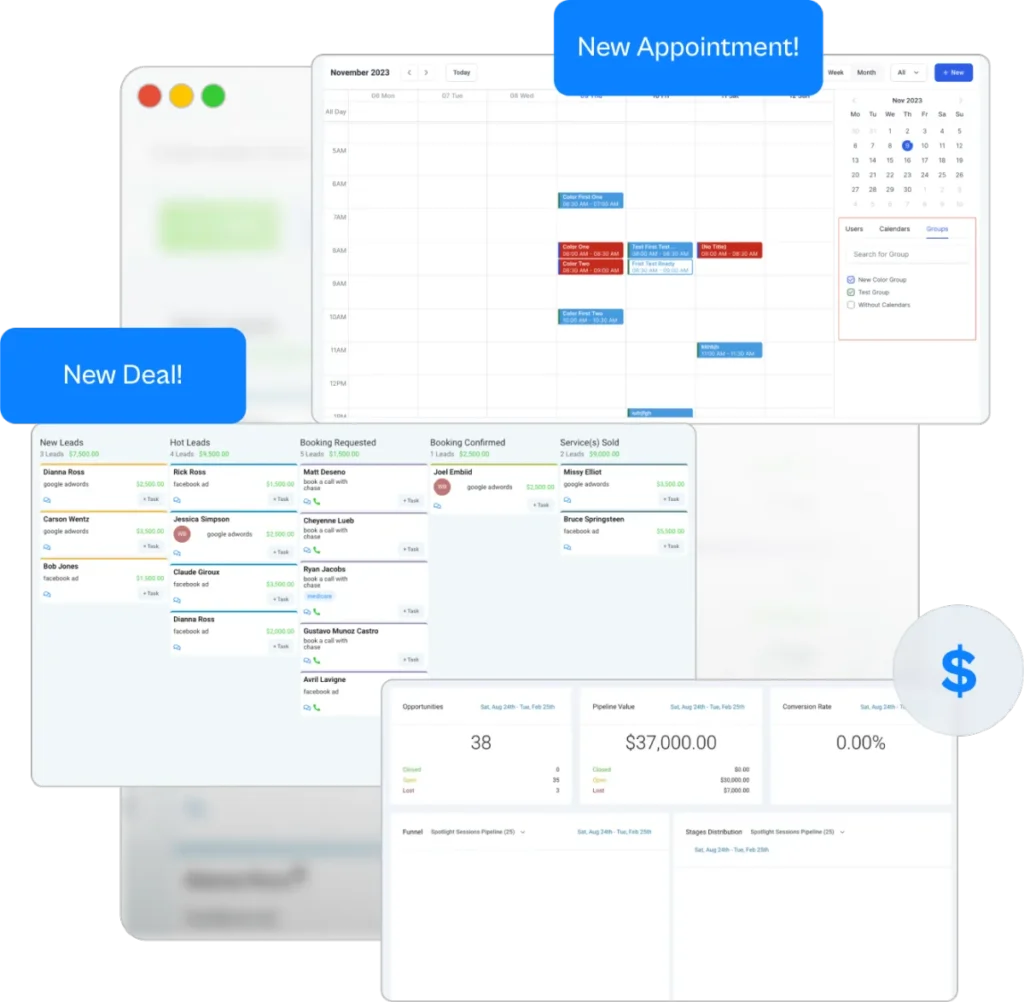
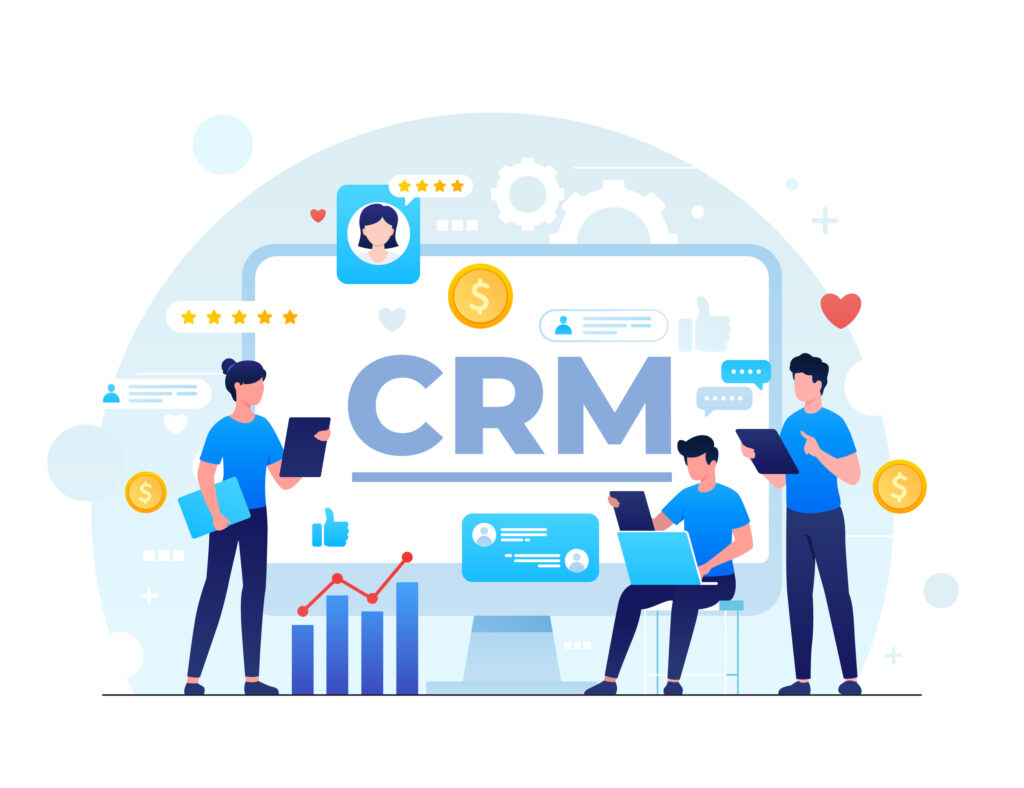
CRM software is an advanced IT system that supports businesses in managing customer relationships. A CRM system collects data on customer interactions, allowing companies to monitor contacts and analyze each customer’s behavior. This enables businesses to better understand their clients’ needs and tailor their offer to meet their expectations. In short, CRM helps companies increase customer service efficiency and improve sales performance through better information organization.
How does a CRM system support customer relationship management?
A CRM system supports customer relationship management by centralizing all customer-related data in one place. CRM software makes it easy to collect information about potential clients, their preferences, and purchase history. As a result, customer service and sales teams can quickly respond to customer needs, significantly improving the quality of service. Consequently, businesses can build long-lasting and loyal relationships with their customers, which is key to long-term success.
What are the key functionalities of a CRM system?
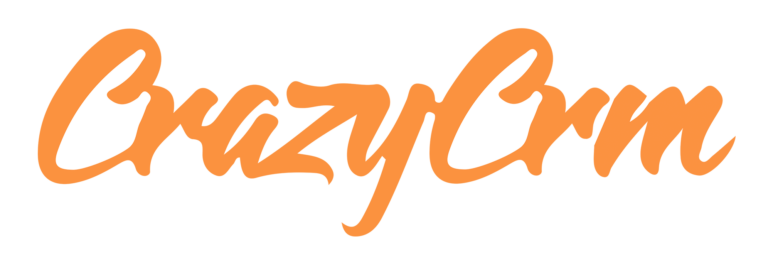
The key functionalities of a CRM system include contact management, sales process automation, data analysis, and report generation. Thanks to CRM modules, businesses can track progress in the sales funnel and identify potential customers. A CRM system also allows integration with other tools, such as ERP systems, enabling even more effective data management and streamlining of business processes. It is also worth mentioning mobile CRM systems, which allow employees to access data from anywhere—an essential feature in the era of remote work.
Try CrazyCRM for free
Automate sales and marketing in your company—no obligations
What benefits does implementing a CRM system bring to your company?
Implementing a CRM system significantly improves the quality of customer service. By centralizing data, employees have easy access to a customer’s contact history, allowing for faster and more personalized responses to inquiries. CRM also enables the automation of many processes, such as sending reminders or follow-ups, which allows for more efficient customer service. As a result, a company can increase customer satisfaction, leading to loyalty and long-term business relationships.
A CRM system supports the sales process on multiple levels. Primarily, through its analytical features, businesses can better understand their customers’ preferences and more effectively segment their database. CRM also enables lead identification and monitoring of their behavior, allowing for more effective marketing activities. Additionally, integrating the CRM system with an ERP module facilitates faster information exchange between departments, speeding up the entire sales process.
Managing customer relationships using a CRM system is crucial for building customer loyalty. By understanding customers’ needs and expectations, businesses can tailor their offers, increasing the likelihood of repeat purchases. A CRM system also allows for personalized communication and offers, making customers feel valued and recognized. As a result, customer loyalty grows, contributing to higher company revenue and stronger market competitiveness.
How to choose the right CRM software for your business?
What types of CRM solutions are available on the market?
There are many different CRM solutions available on the market that can be tailored to a company’s specific needs. These include cloud-based CRM systems, which are accessible online and do not require installation on local servers, as well as on-premise systems, which require greater investment in infrastructure. There are also CRM solutions integrated with ERP systems, enabling full data synchronization and process automation.
What to consider when choosing a CRM system?
When choosing a CRM system, it is important to consider several key aspects. First, functionality—the software should offer all the necessary modules that support customer relationship management. Second, an intuitive user interface—the system should be easy to use so that employees can quickly learn its features. Another important factor is the ability to integrate with other systems, such as ERP systems. It is also worth paying attention to technical support and the availability of software updates.
Is it better to choose a CRM system integrated with ERP?
Choosing a CRM system integrated with an ERP system has many advantages. Such integration allows seamless data exchange between the sales department and other company departments, increasing operational efficiency. With an integrated system, all information about customers, orders, and invoices is available in one place, streamlining management processes. Additionally, potential savings from process automation and better data analysis can bring measurable financial benefits to the company.
Test CrazyCRM and see how your efficiency grows
Simple. Effective. Ready to use in minutes
How to carry out an effective CRM system implementation?
What steps should be taken when planning a CRM implementation?
Planning a CRM system implementation requires a well-thought-out strategy. First, identify the implementation goals and the key processes that the system is intended to support. Next, create an implementation schedule and assign responsible team members. It is also important to conduct an analysis of user needs and expectations, which will help tailor the software to the specific operations of the business.
How to engage employees in the CRM implementation process?
For a successful CRM implementation, employee engagement is crucial. Conduct training sessions to help employees understand the benefits of the system and teach them how to use it effectively. Additionally, gather feedback from employees during the implementation to make timely adjustments if needed. Involving the team in the implementation process increases their motivation and positive attitude toward the new tool.
How to monitor and analyze CRM implementation results?
Monitoring and analyzing the results of a CRM implementation are key to evaluating its effectiveness. Companies should regularly collect analytical data regarding system usage, sales performance, and customer satisfaction. Based on this data, changes can be made and processes optimized. It is also valuable to establish key performance indicators (KPIs) that allow an objective assessment of the CRM system’s impact on the company’s financial results.
What CRM trends can be observed in marketing?
How is marketing automation changing customer relationship management?
Marketing automation is one of the most important trends significantly impacting customer relationship management. Through automation, businesses can streamline many marketing processes, such as sending email campaigns or managing leads. A CRM system also enables customer segmentation, allowing for a more personalized approach in communication. Marketing automation leads to increased efficiency and reduced costs, which is beneficial for companies.

What are modern approaches to customer service in CRM systems?
Modern approaches to customer service in CRM systems focus on personalization and proactive engagement with clients. Companies use analytical data to better understand customer needs and tailor their actions accordingly. CRM systems also allow integration with communication channels, such as live chat, enabling faster responses to customer inquiries. This makes customer service more efficient and user-friendly.
How to use analytical data from a CRM system for marketing strategies?
Analytical data collected in a CRM system is a valuable resource that can be used to develop effective marketing strategies. Businesses can analyze customer behavior, identify trends, and predict future needs. With this information, marketers can create more targeted campaigns and better segment their customer base. Using analytical data allows for the optimization of marketing efforts and increases the effectiveness of marketing investments.